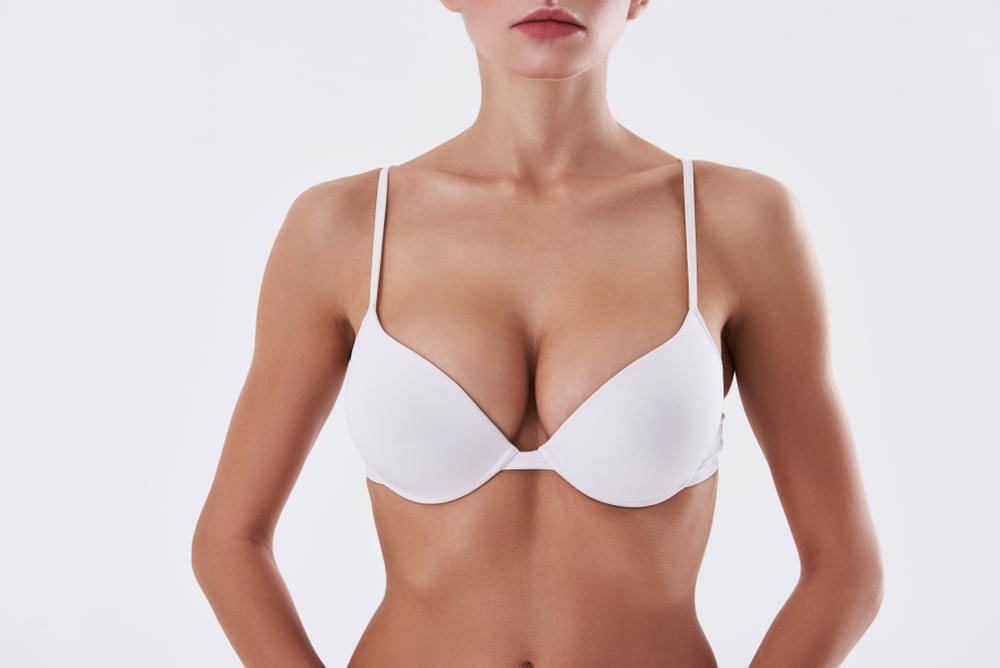
When faced with the possibility or diagnosis of breast cancer, removing the cancer and surviving are top priorities. While it is often the best option for a woman’s health, losing one or both breasts can affect both physical and emotional wellbeing and can leave patients feeling disappointed with their appearance, confidence, and femininity. For women who are struggling to adjust to the loss of their breasts, breast reconstruction is a surgical procedure that may be able to help.
At Chatham Plastic Surgery, we are passionate about empowering women to feel more comfortable and confident about their body. For breast cancer patients, Dr. Carl Pearl understands that your journey to recovery is an involved and challenging one, filled with both emotional and physical obstacles. He will be by your side the whole way. His mother was a breast cancer survivor and he cares for each breast cancer patient far beyond just their surgical outcome. When you are ready to achieve a more natural body shape and a happier, healthier state of mind, our dedicated team of surgeons and specialists is here to guide you through the process. Through breast reconstruction surgery, Dr. Pearl aims to help you reclaim your feminine beauty, identity, and sense of self.
What is Breast Reconstruction?
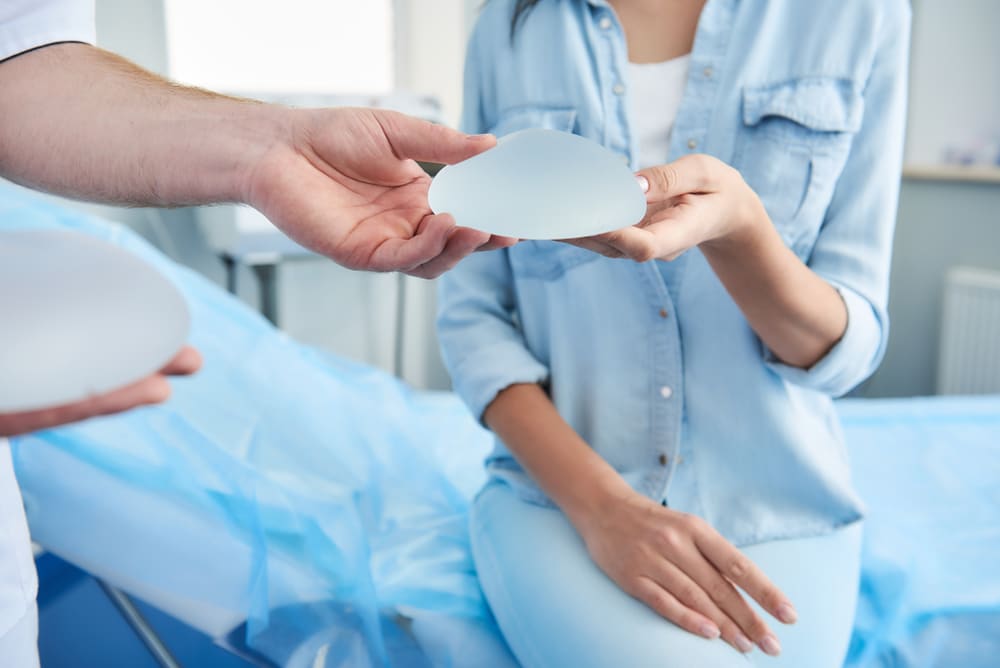
Breast reconstruction surgery uses breast implants or natural body tissue to restore shape and volume to your breast area. Dr. Pearl uses expanders and implants for breast reconstruction. Whether you have undergone a single or double mastectomy, a breast reconstruction allows you to rebuild proportional, natural-looking breasts that can help you feel like yourself again. While reconstructed breasts do not look exactly like what they are replacing, breast reconstruction can restore your feminine curves and help you achieve a natural, attractive figure and positive sense of self.
Options for Breast Reconstruction
Breast reconstruction surgery is a versatile procedure that can be customized to the needs, body shape and aesthetic goals of each patient. During your consultation, Dr. Pearl will take the time to understand your reasons for treatment, the results you hope to achieve, and your current stage of recovery.
Part of your reconstructive journey will be dictated by what the breast surgeon, medical oncologist, and radiation oncologist decide is necessary to treat your cancer. Based on this information, Dr. Pearl will create an individualized surgical plan that details the steps of the procedure, the expected results and the recovery process.
The three main approaches to breast reconstruction are:
- Breast implants
- Autologous tissue transfer
- Fat grafting with implants
- Predictable and reliable outcomes
- Breast symmetry
What People Say About Us!
Dr. Pearl and his staff were so warm and friendly. Though I am only one week postop I am in love with my results already and would highly recommend him and his team! The surgery process was so smooth and Dr. Pearl and his staff really made me feel comfortable even though surgery can be a intimidating thing; I felt comfortable before and after my surgery. Thank you Dr. Pearl for giving me a boost of confidence!!!!!
Alexis O.
Click here to read more reviews.
Frequently Asked Questions (FAQs)
Is breast reconstruction covered by insurance?
Whether your reconstruction is performed immediately after your mastectomy, or years down the road, your health insurance plan should cover it. The 1998 Women’s Health and Cancer Rights Act requires all group health plans that pay for mastectomy, to also cover prostheses and reconstructive procedures. This includes procedures that may be needed further down the line to revise and refine your reconstructed breasts, or to create symmetry and balance between your breasts. Please note that Medicare does cover breast reconstruction, while Medicaid coverage can vary from state to state. For more information, please contact our office.
Can breast reconstruction restore sensation to the breast?
While breast reconstruction can restore the appearance of the breast, it does not fully restore normal sensation. Nerve damage occurs during a mastectomy, and although some sensations may gradually return over time, they often differ from pre-surgery sensations. Advanced techniques, such as nerve grafting, may be used during reconstruction to improve the likelihood of sensation returning, but the results can vary.
How should I get ready for breast reconstruction surgery?
Preparation for breast reconstruction includes discussing all options and expectations with your surgeon. It’s important to quit smoking, as it can affect healing, and to manage any health conditions, such as diabetes, before surgery. Patients should also arrange for help at home during recovery and prepare for post-operative care by setting up a comfortable recovery space. Your surgeon may provide additional pre-operative instructions, such as avoiding certain medications or fasting before the procedure.
What is the recovery process like after breast reconstruction?
The recovery process varies based on the type of reconstruction. Patients can generally expect discomfort, swelling, and bruising in the weeks following surgery. You can manage pain with medication and resume light activities within a few weeks. You may need to avoid more strenuous activities, including heavy lifting, for six weeks or longer. Complete healing and the final appearance of the reconstructed breast may take several months. Dr. Pearl will provide post-operative instructions to ensure a smooth recovery.
Can I choose my reconstructed breast size and shape?
Patients can have a say in the size and shape of their reconstructed breasts, within certain limits. The options available will depend on body type, remaining tissue amount, and the reconstruction method. Your surgeon will discuss the possibilities and help guide you toward the best decision to achieve your desired aesthetic outcome.
Will my reconstructed breast have scars?
Yes, scars are a natural part of the healing process following any surgery, including breast reconstruction. The scar location and appearance will vary based on the type of reconstruction performed. While scars typically fade over time, they may never completely disappear. Your surgeon can recommend scar management techniques to help minimize their visibility, such as topical treatments, laser therapy, or silicone sheets.
Do I have to get breast reconstruction after a mastectomy?
No. Breast reconstruction is completely optional. Some women choose reconstruction to restore breast shape, while others feel comfortable without it.
When is the best time to have breast reconstruction?
The best time depends on your cancer treatment plan, overall health, and personal preference. Some women choose reconstruction at the time of mastectomy (immediate), while others wait until after cancer treatment is complete (delayed).
What is immediate breast reconstruction?
Immediate reconstruction begins at the same time as your mastectomy. After the breast tissue is removed, your plastic surgeon starts rebuilding the breast during the same operation. This approach can reduce the number of surgeries and preserve more of the natural breast skin.
What is delayed breast reconstruction?
Delayed reconstruction is performed months or even years after a mastectomy. This option is often chosen if radiation therapy is needed or if a patient prefers to focus on cancer treatment first.
Will reconstruction affect cancer treatment timing?
In most cases, reconstruction does not delay chemotherapy. However, certain types of reconstruction may need to be coordinated carefully if radiation therapy is planned. Your surgical and oncology teams will create a treatment plan that prioritizes your cancer care.
Does reconstruction increase the risk of cancer coming back?
No. Breast reconstruction does not increase the risk of cancer recurrence. It does not interfere with cancer surveillance or follow-up care.
What is flap (autologous) breast reconstruction?
Flap reconstruction uses your own tissue—usually skin, fat, and sometimes muscle—from another part of your body (such as the abdomen, thighs, or back) to create a new breast. Because it uses your natural tissue, it often provides a softer, more natural look and feel.
How long do expanders typically stay in?
Tissue expanders are usually in place for several weeks to a few months. During this time, they are gradually filled to stretch the skin before being replaced with a permanent implant.
Are expanders painful or uncomfortable?
Some patients experience tightness or pressure, especially after expansion appointments. Most discomfort is temporary and manageable with medication. Many women find the process tolerable overall.
Which flap donor site is best for me?
The best donor site depends on your body type, available tissue, previous surgeries, overall health, and desired results. Your plastic surgeon will discuss options, including DIEP, TRAM, PAP, and other flap procedures.
How does radiation affect reconstruction options?
Radiation can affect skin quality and healing. It may increase the risk of complications with implants and sometimes makes flap reconstruction a preferred option. Your surgeon will tailor recommendations based on your treatment plan.
Can implants rupture, and how would I know if they did?
Yes, implants can rupture, though it is uncommon. With saline implants, the breast will noticeably deflate. With silicone implants, a rupture may not be immediately visible (sometimes called a “silent rupture”) and may require imaging, such as an MRI or ultrasound, to detect.
When can I return to work after reconstruction?
Return-to-work timing varies by procedure. Implant reconstruction patients may return in two to four weeks, while flap reconstruction may require four to six weeks or longer. Physically demanding jobs may require longer recovery time.
Will reconstructed breasts feel natural?
Flap reconstruction often feels more natural because it uses your own tissue. Implant-based reconstruction can also provide excellent results, though the feel may be slightly firmer. Sensation is often reduced after mastectomy, though some nerve restoration techniques may help improve feeling over time.
Why Choose Chatham Plastic Surgery
Dr. Carl Pearl in Savannah, Georgia. Dr. Pearl is a board-certified plastic surgeon serving the residents of Savannah, Georgia and beyond. He has performed countless breast surgeries for women seeking to enhance the appearance of their breasts and rediscover their femininity. He specializes in aesthetic and reconstructive surgery. Breast reconstruction is a highly customizable procedure that can be tailored specifically to your needs, body shape, and aesthetic goals.
With a focus on holistic results, Dr. Pearl takes every measure to ensure your breasts balance with your unique figure and produce a smooth, harmonious appearance. Drawing on the latest cosmetic techniques, he can help you restore both your feminine physique and identity and ultimately improve your quality of life.
Restore Your Body and Confidence with Breast Reconstruction in Savannah, GA
For more information on breast reconstruction, or to explore your options, call 912.446.1985 to schedule a consultation with Dr. Pearl. He is here to guide you every step of the way, so you can feel like yourself and love your appearance.