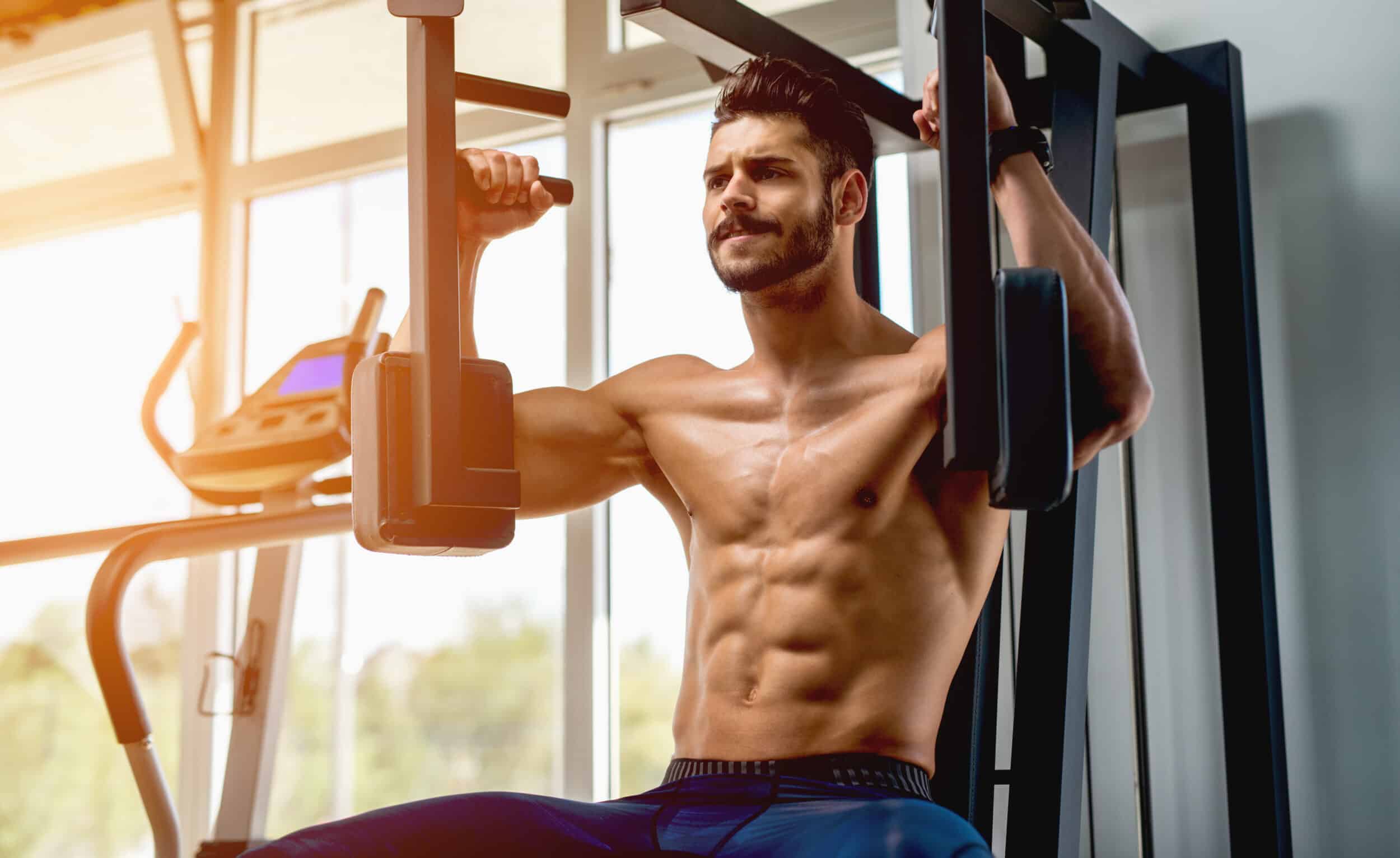
Working out after gynecomastia surgery usually requires a gradual return rather than jumping straight back into your normal gym routine. Walking often comes first, followed later by cardio and resistance training as your chest heals. The exact timing depends on how much tissue was removed, the method used, and your individual recovery.
Chatham Plastic Surgery performs male breast reduction in Savannah, GA. Board-certified plastic surgeon Dr. Carl B. Pearl has training in both general and plastic surgery and specializes in aesthetic and reconstructive face, breast, and body procedures.
Why Do You Need to Limit Exercise After Surgery?
Gynecomastia surgery can involve liposuction, direct removal of glandular breast tissue, or both. More extensive cases may also require removal of loose skin.
Exercise raises your heart rate and blood pressure and places movement and tension on healing tissues. Returning too quickly can increase swelling or put unnecessary force on incisions. Follow your surgeon’s restrictions because recovery varies with the extent of the procedure.
When Can You Start Walking?
Light walking is generally encouraged during surgical recovery because staying mobile supports circulation. This isn’t the same as power walking, running, or trying to hit your usual step count.
During the early days, think in terms of brief, comfortable movement around your home. You can slowly increase activity as soreness and swelling improve, and Dr. Pearl clears you for more.
When Can You Return to Cardio and Weight Training?
No single workout timeline applies to everyone. Published guidance from the American Society of Plastic Surgeons (opens in new tab) notes that returning to the gym can take anywhere from a couple of weeks to a couple of months, depending on the extent of the procedure.
Upper-body exercises deserve particular caution because they place stress directly across the chest. Push-ups, bench presses, pull-ups, heavy lifting, and similar movements should wait until your surgeon confirms that your incisions and underlying tissues have healed sufficiently.
When you’re cleared, don’t assume your first workout should match your pre-surgery routine. Start with lighter resistance and lower intensity, then build back gradually.
Listen to Your Surgeon, Not the Calendar
Feeling good doesn’t necessarily mean your chest has finished healing. Swelling and internal tissue recovery may continue after you’re comfortable performing normal daily activities.
Your follow-up visits allow Dr. Pearl to assess healing and tell you when specific activities are appropriate. Following those instructions will help you return to exercise without creating unnecessary stress.
Get Guidance for Your Return to the Gym
Your workout timeline should reflect your procedure, not someone else’s timeline. For individualized information about gynecomastia surgery and exercise, contact us at Chatham Plastic Surgery in Savannah, GA, or call 912-446-1985 to meet with Dr. Carl B. Pearl.